Critic Oline Cogdill’s list of Best Mystery Novels of 2025 is an excellent place to start if you’re doing gift shopping for someone else, or even yourself. Check for these books at The Poisoned Pen’s Webstore. https://store.poisonedpen.com/. Thank you, Oline for sharing this list, first published in the South Florida Sun Sentinel.
The best mystery novels of 2025.
Crime fiction, which includes mysteries and thrillers, is a top genre for a reason, bolstered by authors who deliver rich plots, with fully realized characters of diverse backgrounds and settings. Big cities and small, rural towns; police officers, private detectives, gangsters and ordinary people; families, couples and single people — all are a part of the genre.
Crime fiction makes us examine who we are and how we, as a society, deal with life’s challenges.
2025 was another outstanding year with standard favorites and debuting authors offering their stories. 2025 also saw an unusual number of short story collections based on various themes.
These were the works that stayed with me throughout the year. Once again, narrowing my favorites was difficult, but it’s a wonderful problem to have.
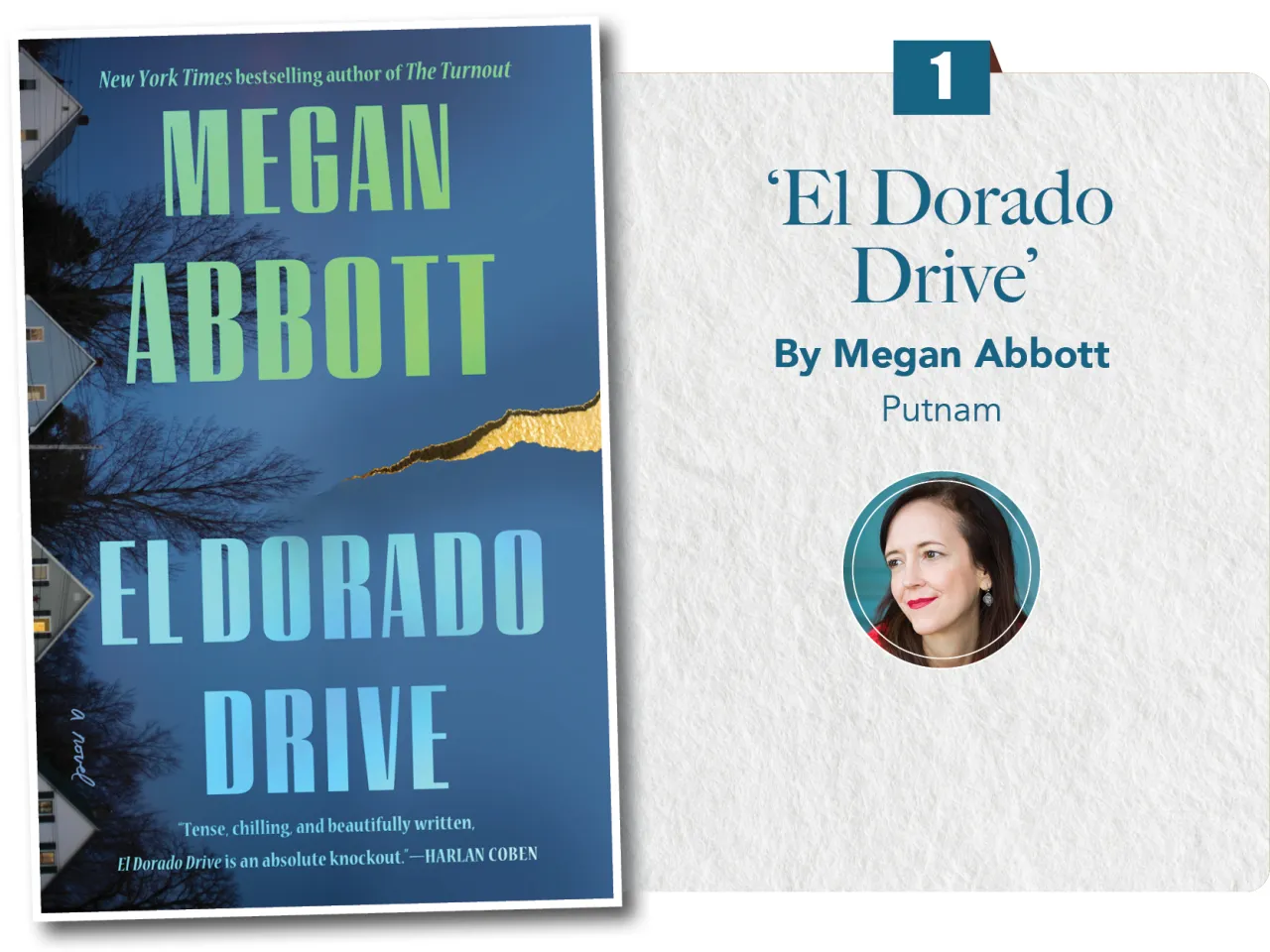
Money — or rather the lack of it — motivates three sisters in “El Dorado Drive,” an intelligent, character-driven thriller that spins on the suspense that infiltrates family dynamics. Raised in the affluent town of Grosse Pointe, Michigan, the sisters were used to the privilege that wealth brings. Until the money dwindled from a series of situations, first because of their father, then their husbands, making them ripe for scams. Abbott succinctly looks at how the heedless pursuit of money and appearances can be soul-numbing, while also exploring the paralyzing effects of regret.
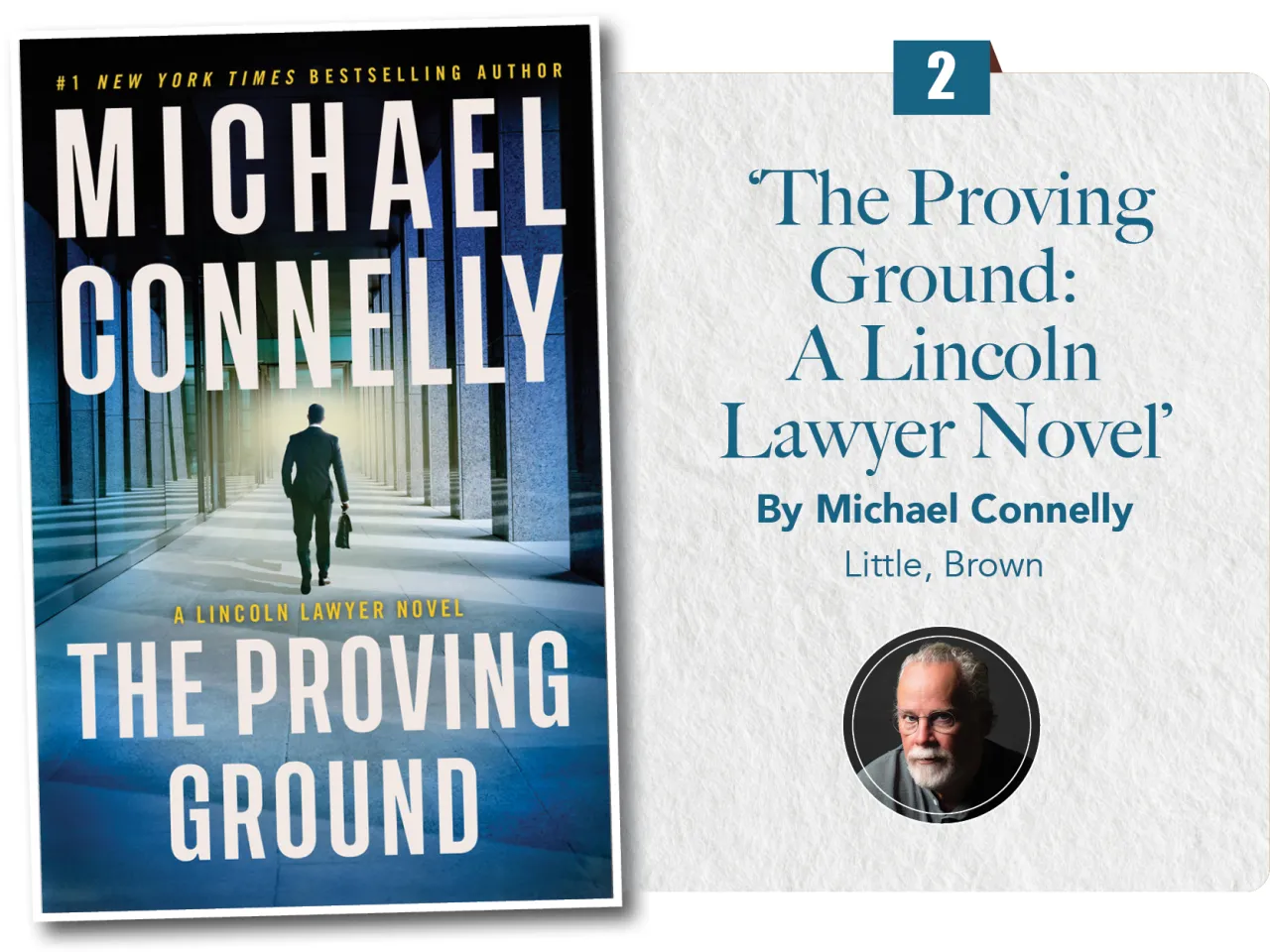
In “The Proving Ground,” the eighth Mickey Haller novel, the Lincoln Lawyer files a negligence suit against a technology company on behalf of a mother whose daughter was murdered. The company is accused of devising a chatbot companion that may target teenagers, especially teenage boys. Mickey is no longer the Lincoln Lawyer – he now drives a Bolt. And he’s given up lucrative criminal law in favor of civil law, which can be profitable but the payoff is slower. Mickey must prove to his clients and to himself that he can manage his new career path. Connelly strongly weaves in current issues, making even the most complicated subjects understandable. In 2025, Connelly also published a second outstanding procedural, “Nightshade,” which launched a new series about L.A. County Sheriff Detective Stilwell stationed in Santa Catalina Island. “Nightshade” turns a light on the greed, corruption and exploitation of the working class that flows through the island.
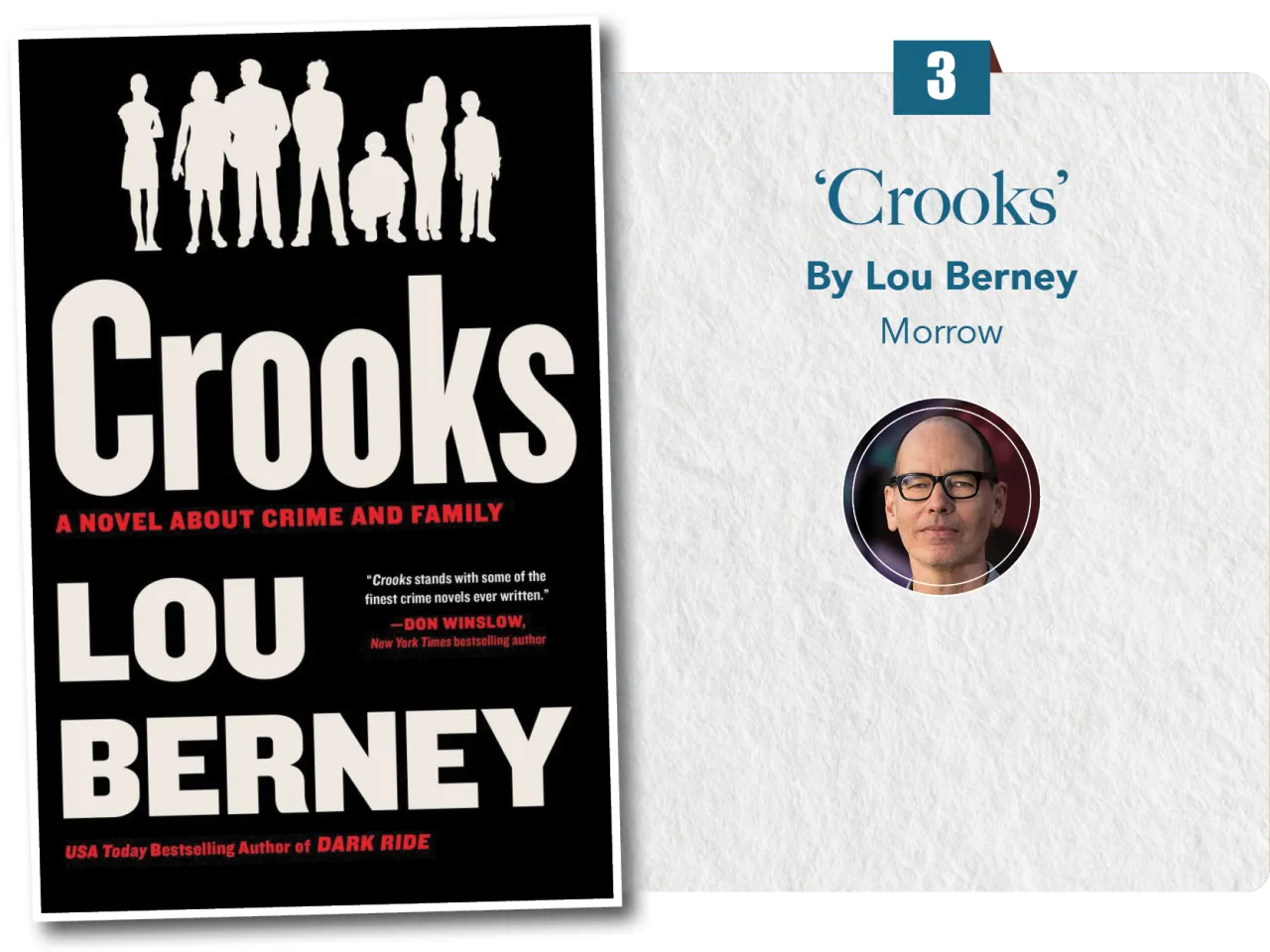
Several crooks inhabit the outstanding “Crooks.” Most of them are members of the Mercurio family, including the parents and their five children. Spanning more than 50 years, “Crooks” works as both an epic crime tale and an intimate family story as Berney concentrates on his characters. Spare writing, akin to the late Elmore Leonard, quickly gets to the heart and soul of each character. A legacy of criminal tendencies filters through each Mercurio, even those who insist they are law-abiding.
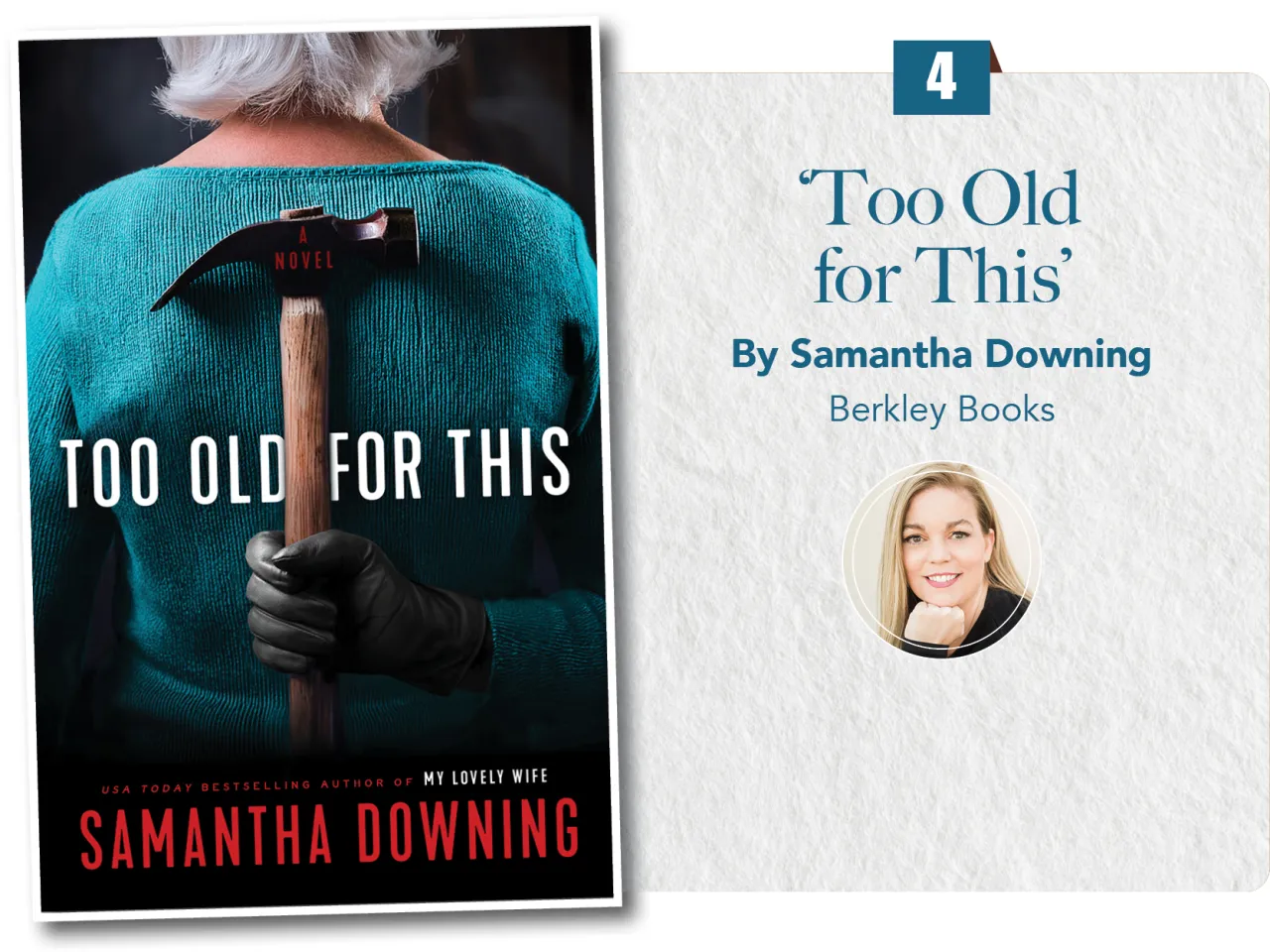
Downing balances dark humor with a hard-boiled approach in “Too Old for This,” impressively keeping the reader on the side of Lottie Jones, a 75-year-old grandmother who used to be a serial killer. Lottie believes she’s retired. She changed her name, moved to a new area, lives quietly, has friends and attends church twice weekly, mainly for the bingo. Then a young producer shows up wanting to do a documentary series. Goodbye, retirement. But Lottie finds new challenges with electronics pinging locations, social media posts, DNA technology. And she often needs a nap.
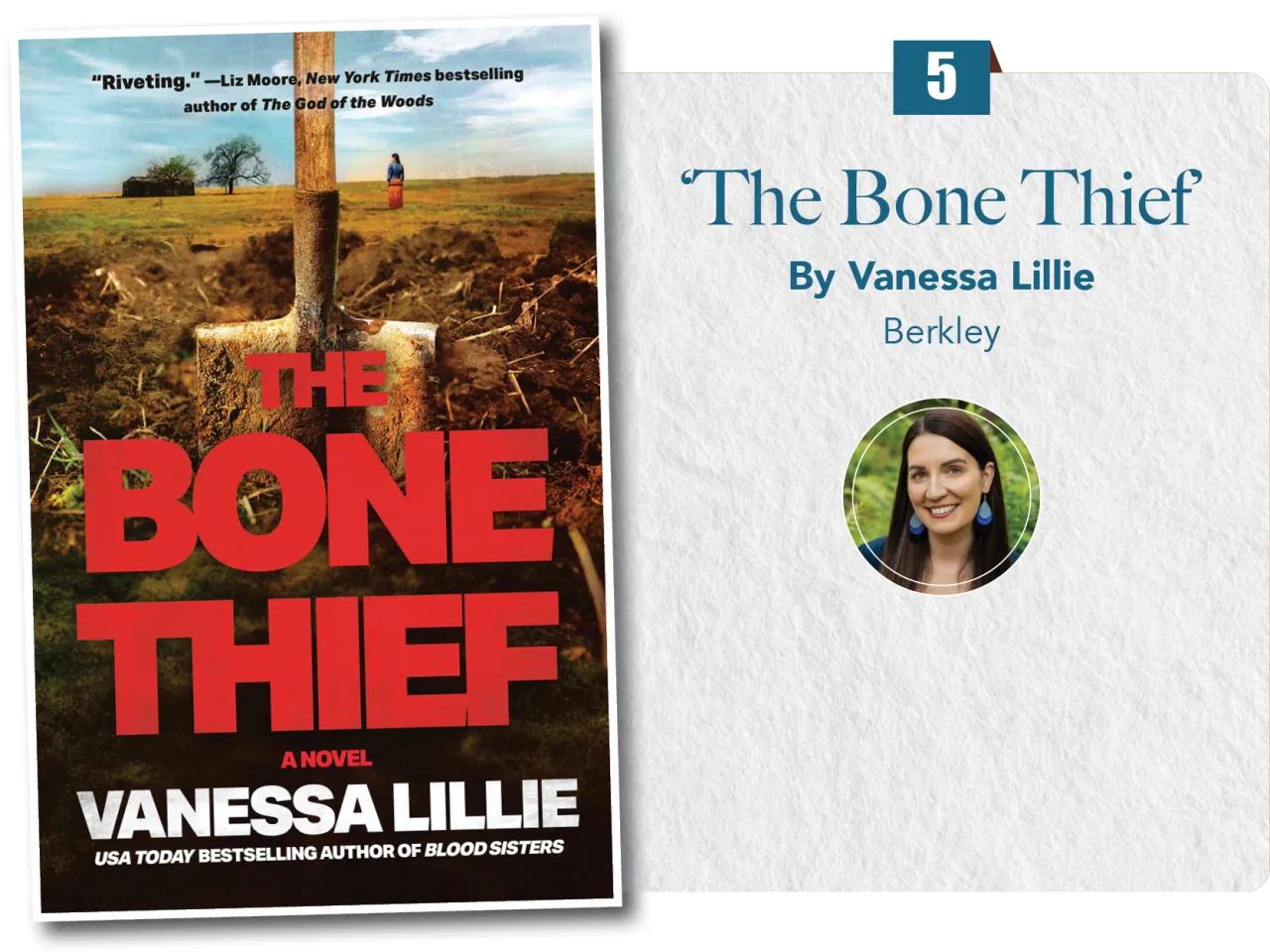
Lillie delves deep into the treatment of Native American communities and the preservation of their remains in “The Bone Thief,” a second formidable novel about Cherokee archaeologist Syd Walker with the Rhode Island Bureau of Indian Affairs. A detailed look at Native American history and culture never overrides the gripping plot. The discovery of the 300-year-old remains of an infant at an exclusive summer camp and plans for a state-of-the-art museum bring out dark secrets about a group whose wealthy, powerful members claim ancestral rights over contested land, revisiting the tensions between the Native Americans and European colonists.
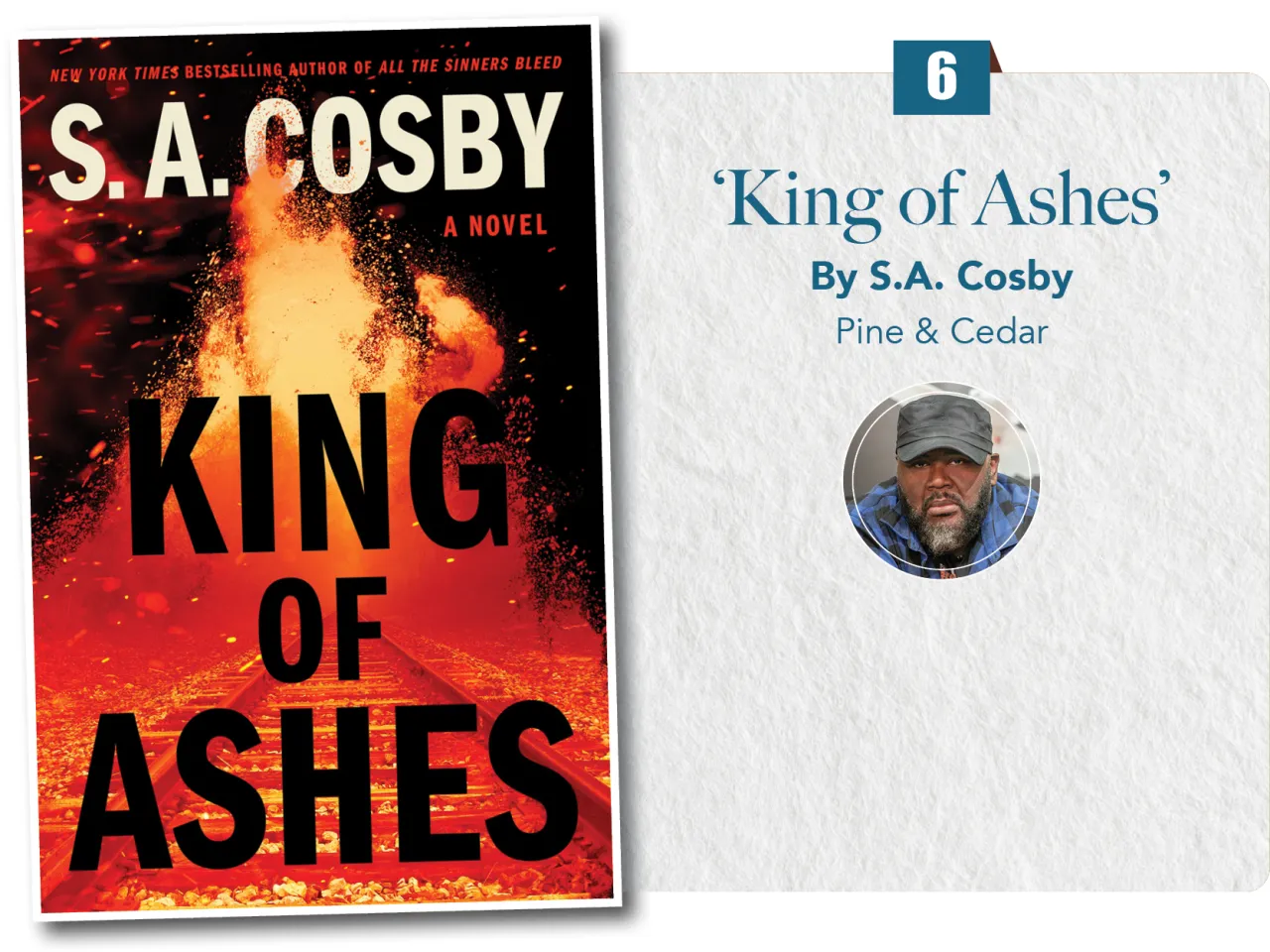
In “King of Ashes,” Cosby shows the trajectory of Atlanta finance manager Roman Caruthers – akin to Michael Corleone in “The Godfather” – whose initial avoidance of “the family business” gives way to the eventual loss of his soul. Roman is the epitome of an anti-hero, maybe not even worth rooting for, too slick for his own good, arrogant and entitled. But those flaws work because Cosby makes us invested in his outcome. We need to know what happens and how Roman corrals the dark and lethal that’s unleashed in him.
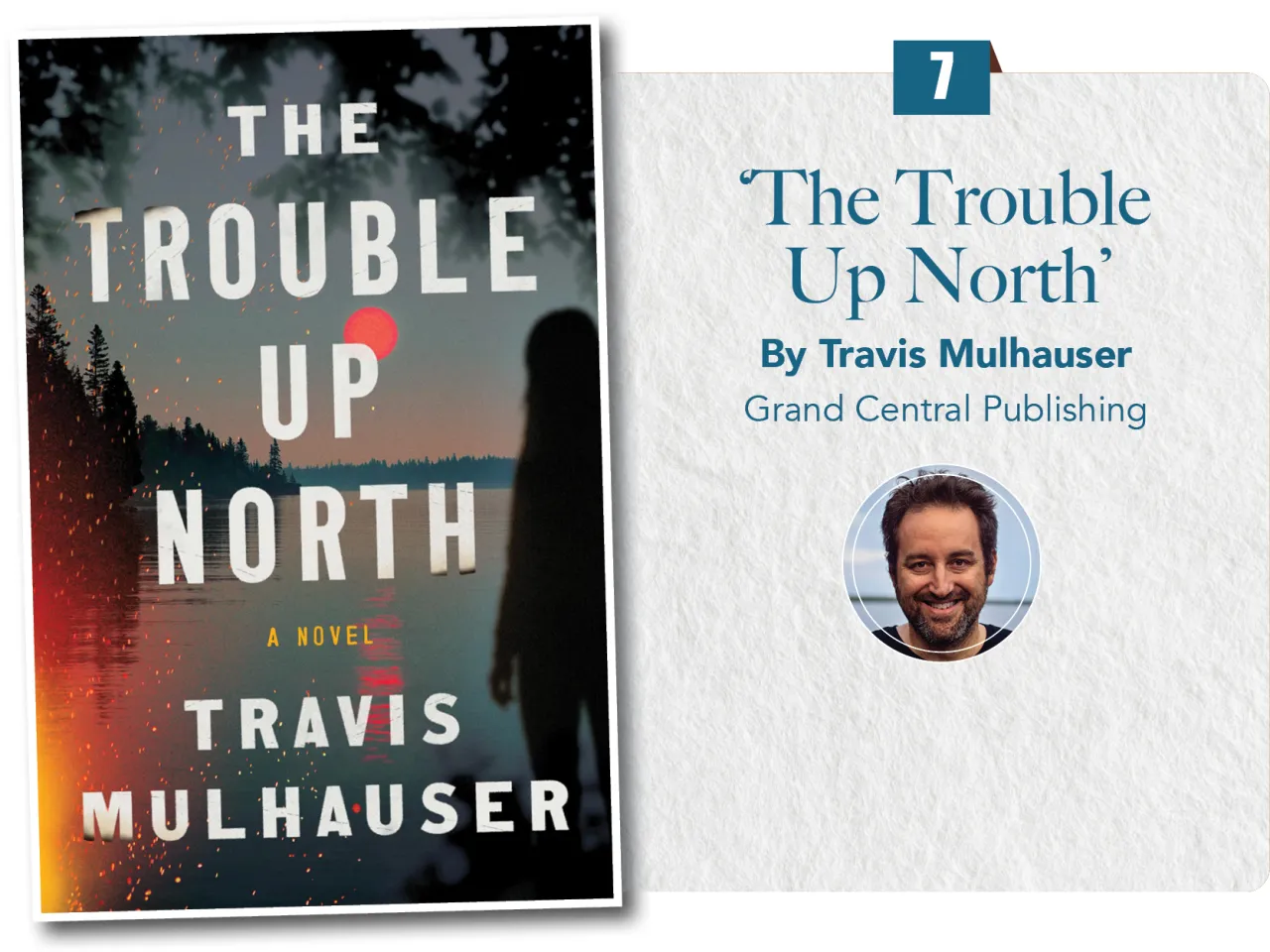
A family grapples with its past, present and a shaky future as the rural area they own in Michigan’s Upper Peninsula is invaded by developers, part-time residents and tourists who lack respect and concern about the land where the Sawbrook family’s roots go back to the 19th century. “The Trouble Up North” is a heartfelt story that combines classism, economic struggles, family legacy and parental love, all packed into a tidy plot.
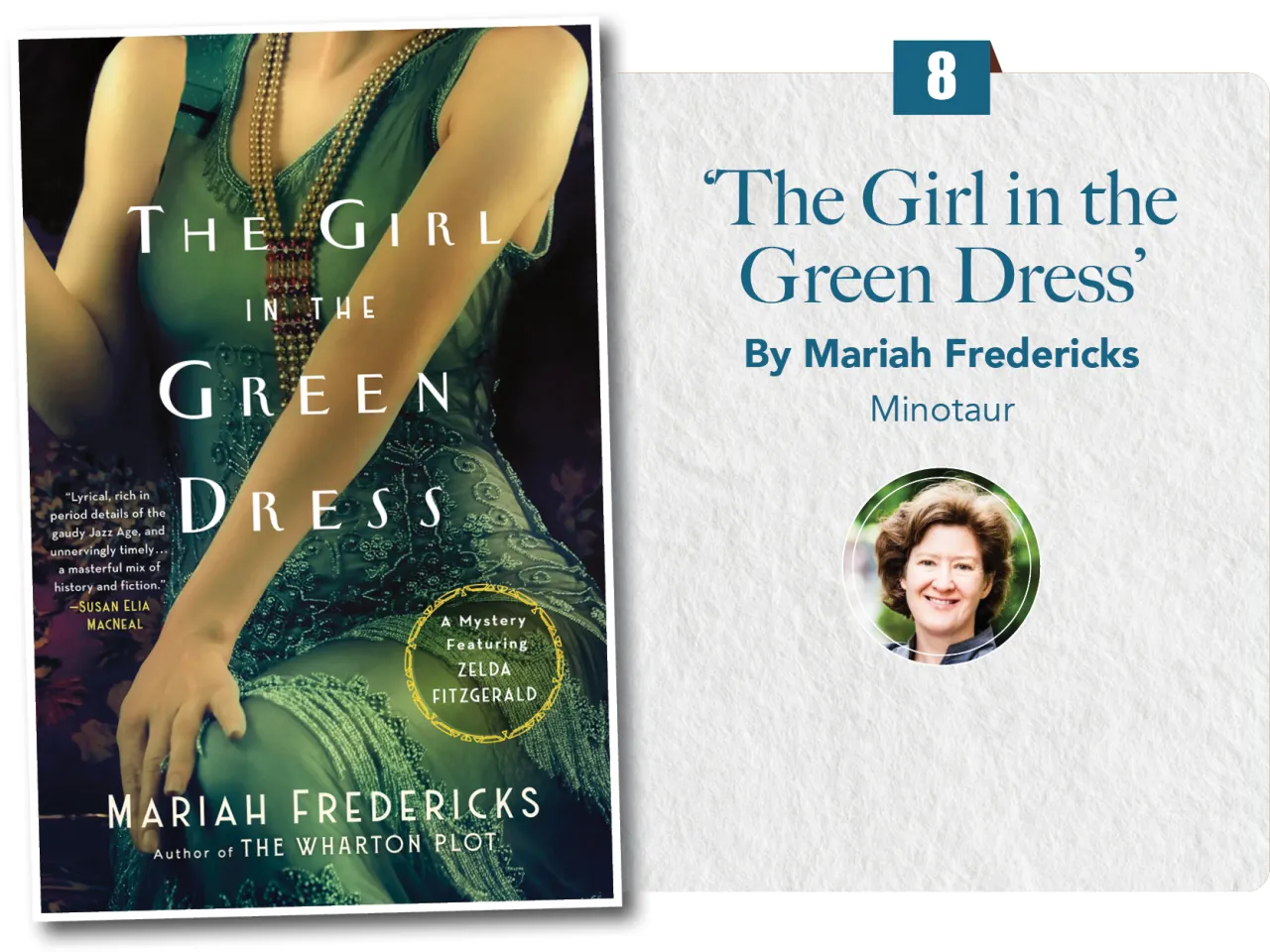
Fredericks takes another leap at creating engrossing historical mysteries depicting real people. Set in New York City during 1920, Fredericks focuses on charming gambler and womanizer Joseph Elwell, whose murder was covered by beginning journalist Morris Markey, with appearances by F. Scott and Zelda Fitzgerald. Fredericks doesn’t sanitize the real people, but draws complete portraits including their strengths and flaws. And the Fitzgeralds have a lot of flaws, which are well-documented. “The Girl in the Green Dress” is the perfect marriage of character, era, setting and intriguing plot as Fredericks did in her terrific 2024 novel “The Wharton Plot” about author Edith Wharton.
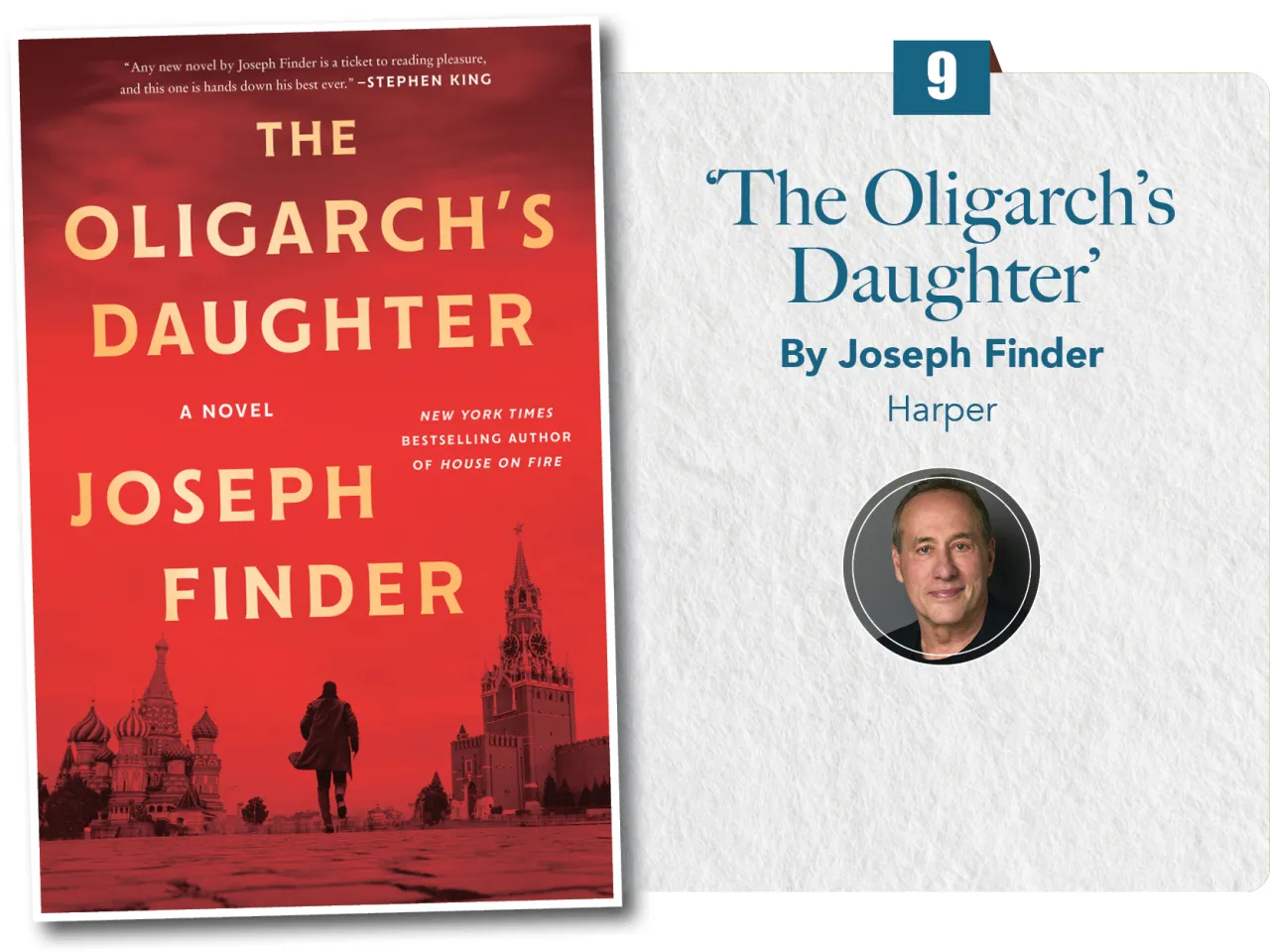
The action-packed “The Oligarch’s Daughter” is equal parts political thriller and love story in which an investment analyst marries a seemingly struggling photographer. Her down-market East Greenwich Village apartment and simple lifestyle suggest financial struggles — until he met her billionaire father, a Russian oligarch whose mega-opulent lifestyle is beyond luxurious. Guess what! His business isn’t completely legitimate. The newlywed finds his father-in-law’s henchmen and the FBI are overly interested in him and his new family.

Who hasn’t wanted to leave a nasty note on a car whose driver cut you off, stole your parking spot or was just rude. Friends on a getaway to the Hamptons do just that in “The Note.” But this is not a one-and-done as they find out when they become suspects when the driver disappears. “A simple little note — but the potential for so much damage,” writes Burke, who weaves in women’s friendships and cancel culture.
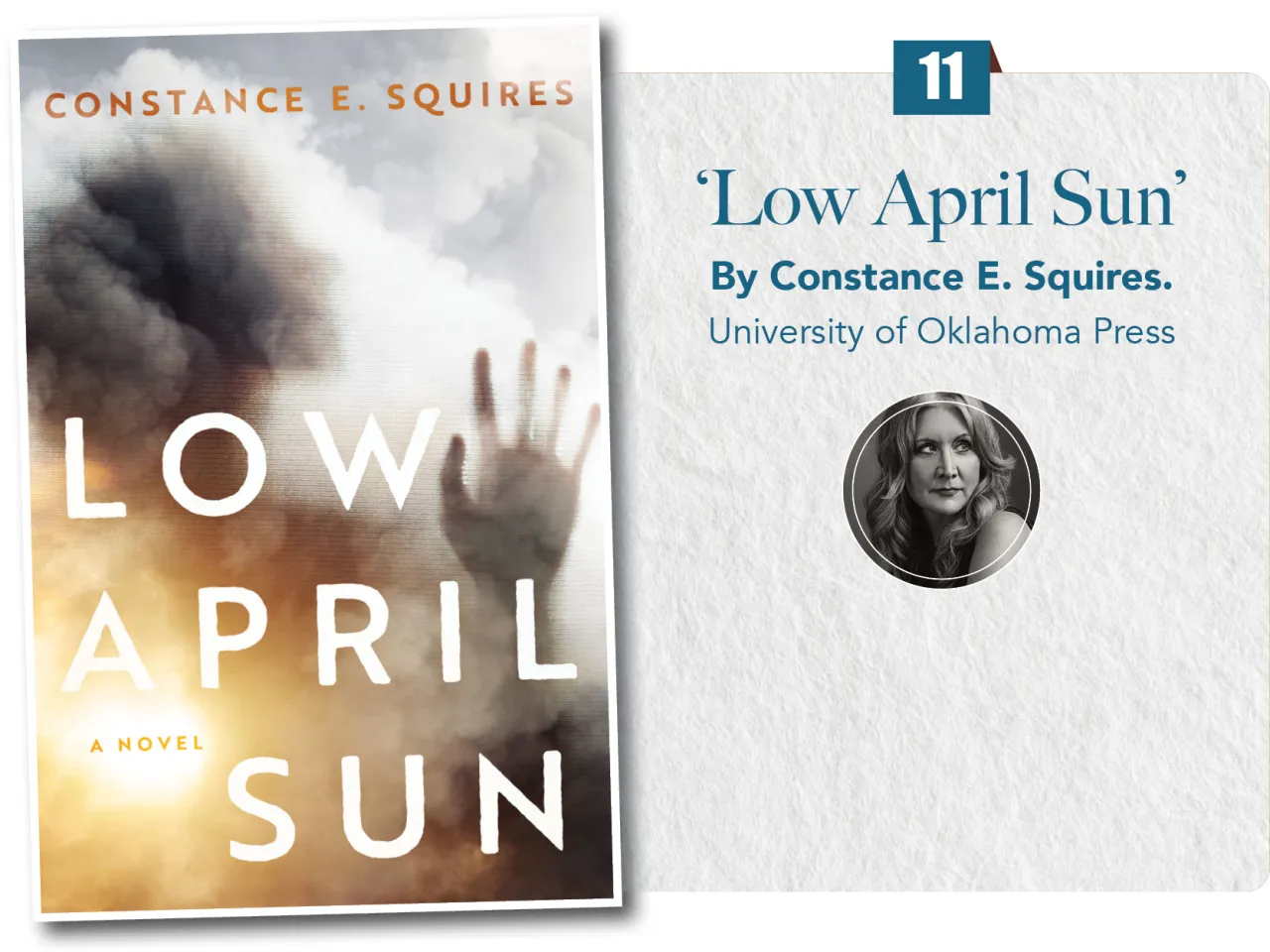
“Low April Sun” is a poignant look at how the bombing of Oklahoma City’s Alfred P. Murrah Federal Building affected a family. Squires’ novel is considered the first work of fiction to tackle what was the worst act of homegrown terrorism in U.S. history, which marked its 30th anniversary on April 19, 2025. Instead of a historical accounting of how and why this horrific act happened, Squires skillfully mines its effect on a family and how they maneuvered a morass of grief trying to rebuild their live. Squires pinpoints the moral center and the lasting effects of a tragedy.
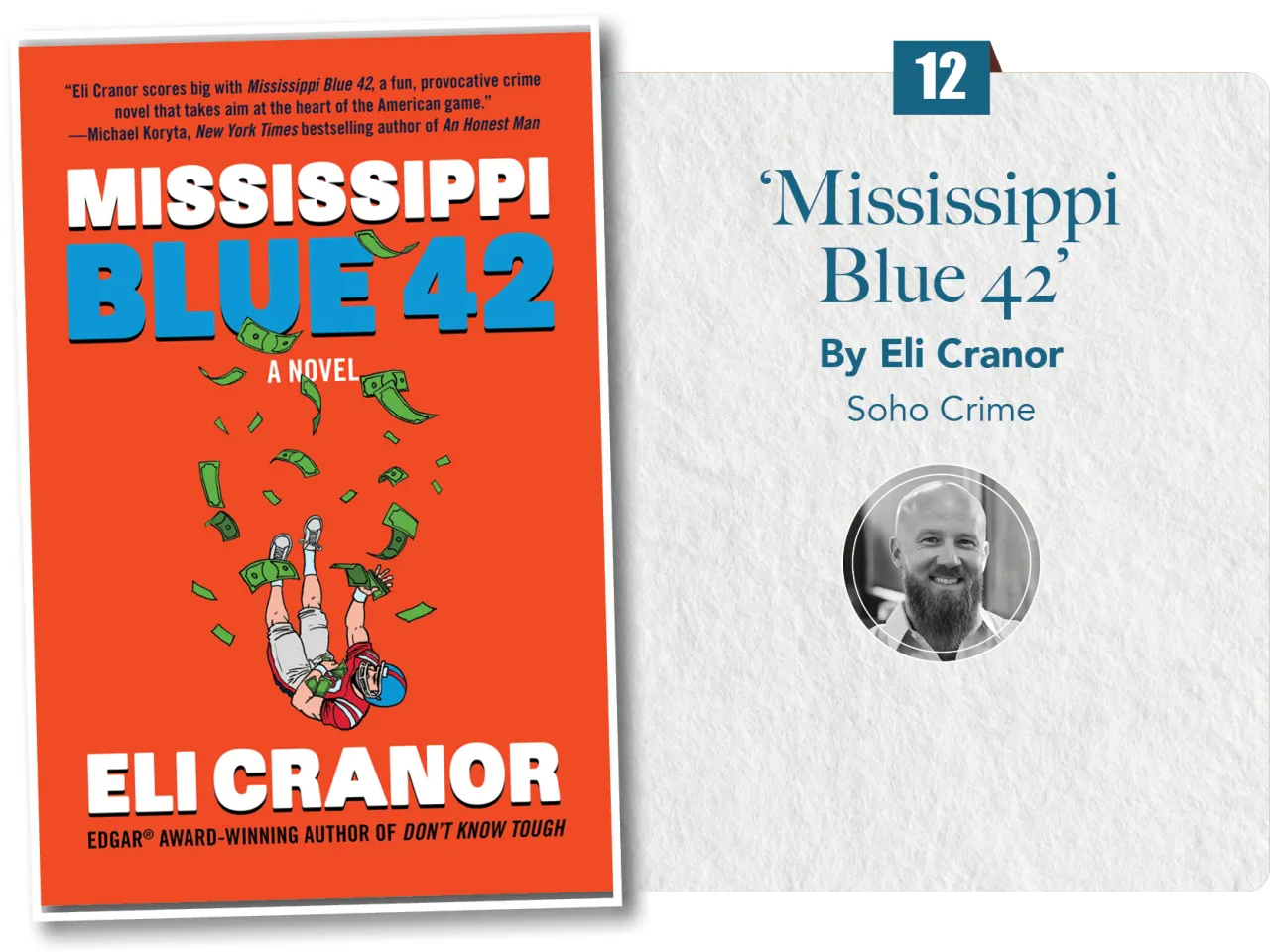
While football is at the crux of this brisk plot, it isn’t necessary to be a fan, as Edgar Award winner Cranor explores greed, the corruption of the sport, its often naive players and hero worship in “Mississippi Blue 42.” An FBI agent investigating the University of Central Mississippi Chiefs football program tackles a history of fraud, deceit, suspicious deaths and a corrupt politician. Game on.
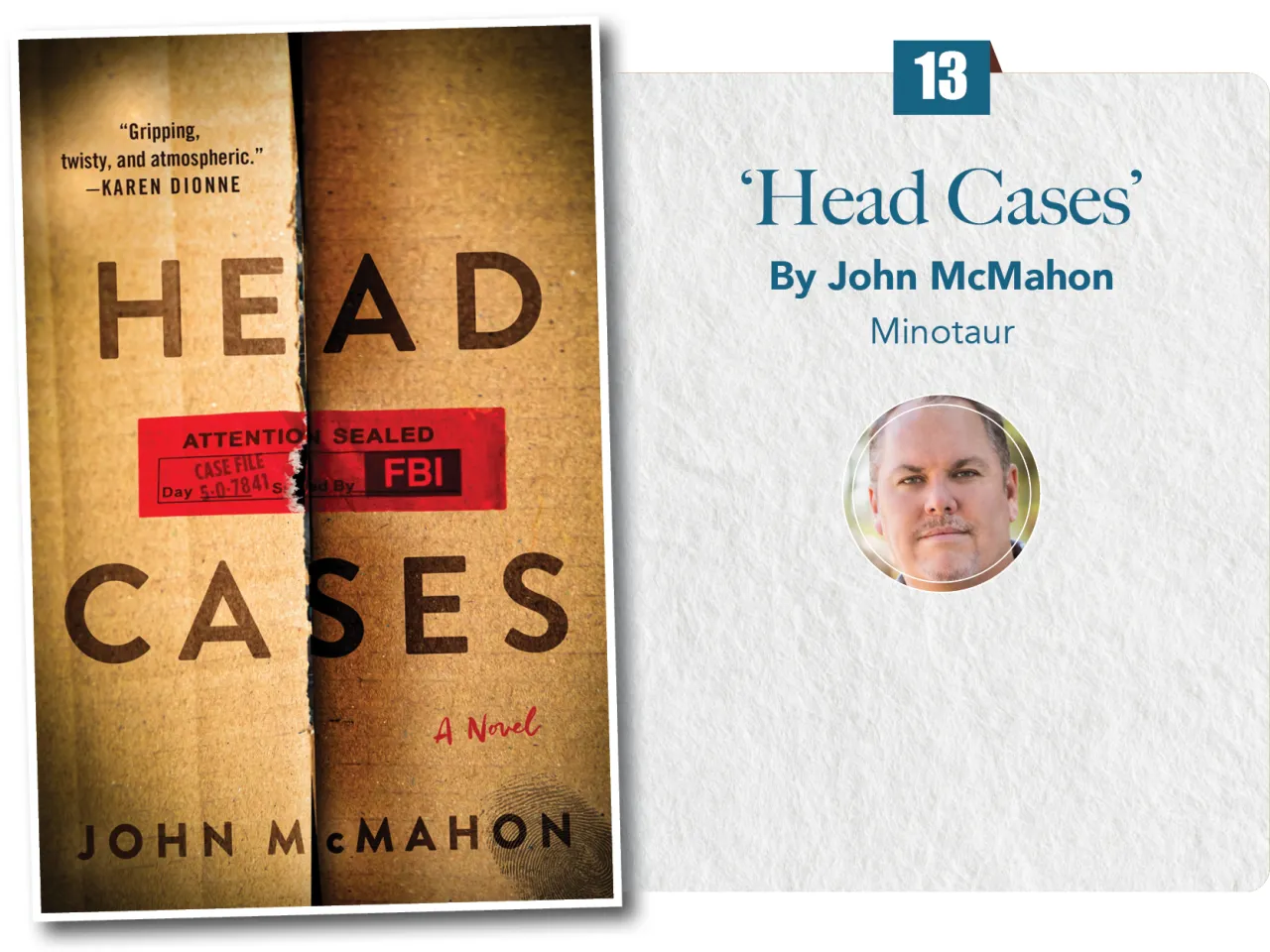
The five investigators in this new elite, cerebral FBI team call themselves “Head Cases” because, as one character says, they “mostly live in their heads.” Publicly, they are known as the FBI’s Patterns and Recognition team — PAR. The agents would rather stay in the office, but don’t shy away from action. The tight-knit investigators respect each other’s skills and care about their colleagues’ welfare and personal lives, without being intrusive. Rumors that PAR may be dissolved brings them closer but doesn’t affect their devotion to their investigation.
BEST DEBUTS
(in alphabetical order)
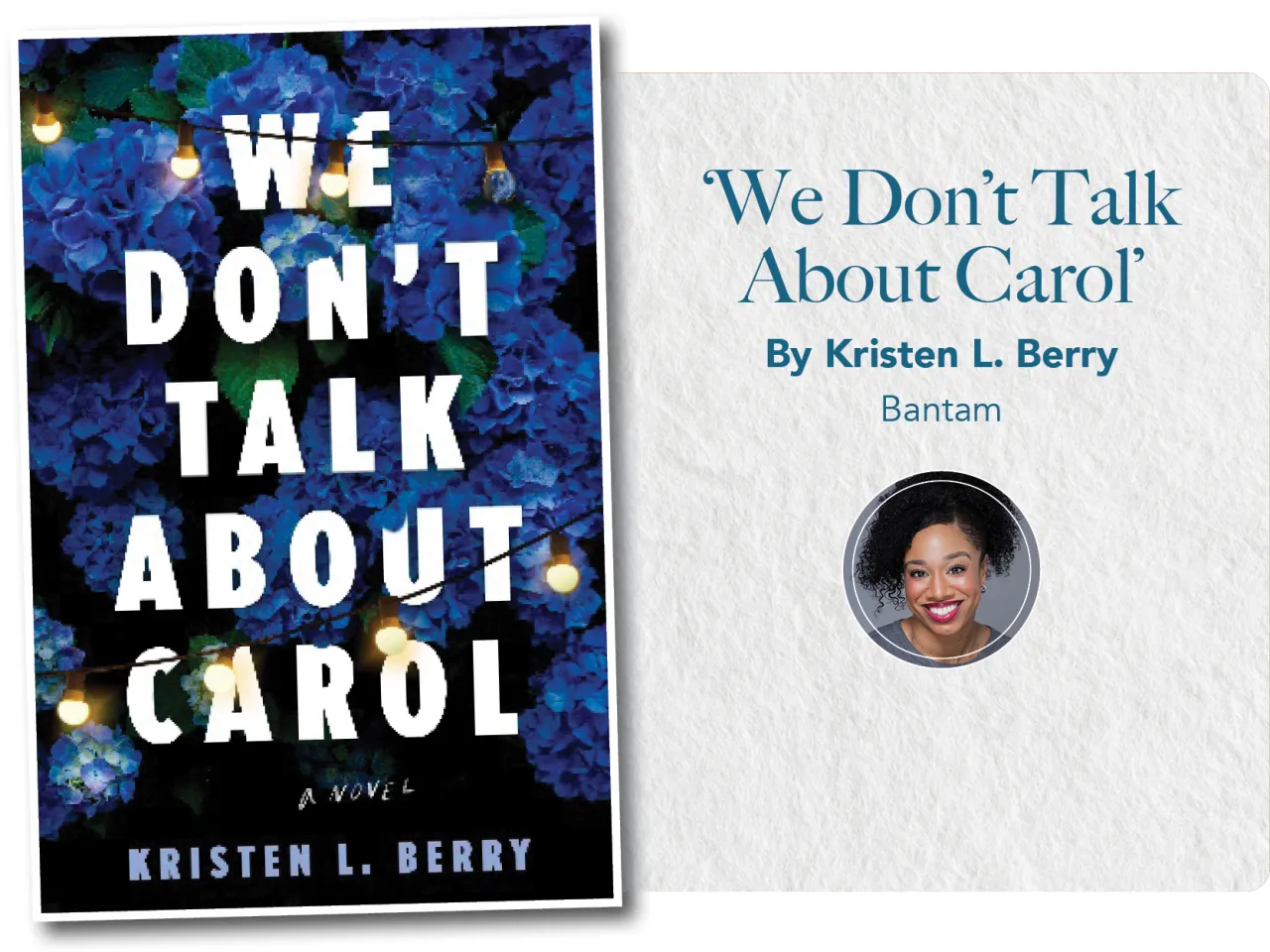
A strange photograph leads a young woman to learn that she had an aunt named Carol, who, as a teenager, disappeared decades before but who was never discussed by the family. Carol’s vanishing coincided with the disappearance of six other Black teenage girls between 1963 and 1965 from the same area of Raleigh, N.C. “We Don’t Talk About Carol” is a riveting story of racism, family, community, motherhood and decades of secrets wrapped in a solid plot filled with believable characters and situations.

Pan delivers the story of two young slackers who inadvertently are drawn into the drug trade in “Florida Palms,” a gritty, uncompromising look at the criminal underworld of Central Florida. Pan excels at making the reader care about the two teenagers, who start out as naïve. Pan shows how the Space Coast was shaped by the aerospace industry that elevated the region and now, because of economics, is on the downslide.
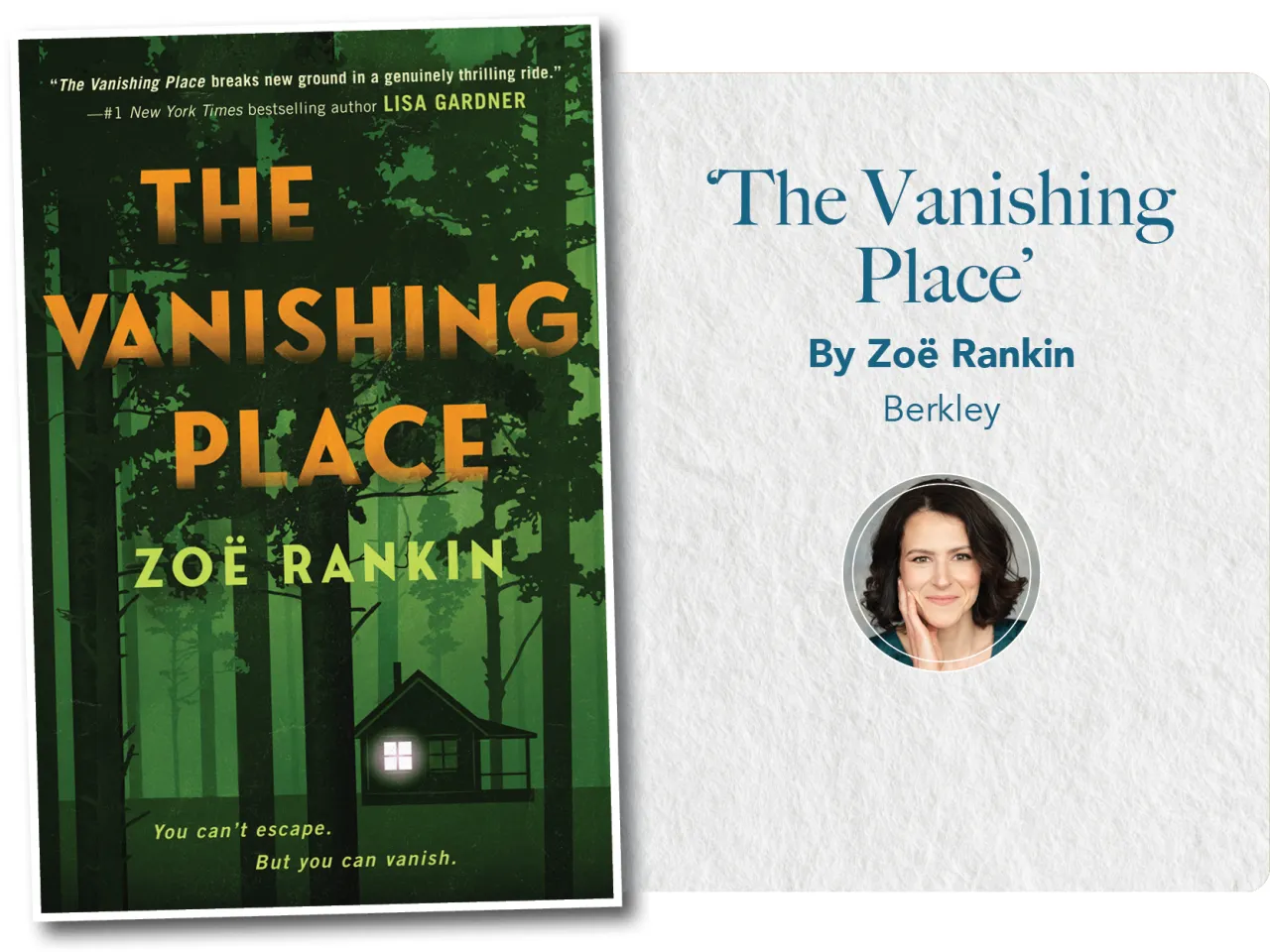
The rich scenery of New Zealand and Scotland become facets in themselves in “The Vanishing Place,” while informing the gripping plot and shaping the believable characters. Now a police officer in Scotland, Effie escaped the New Zealand wilderness where she was raised off the grid, isolated with her family. Effie returns to New Zealand to help a girl who may be her niece and who, like her, witnessed a violent act. The plot unravels at a perfect pace as Rankin immerses the story in scenery.
SHORT STORY ANTHOLOGIES
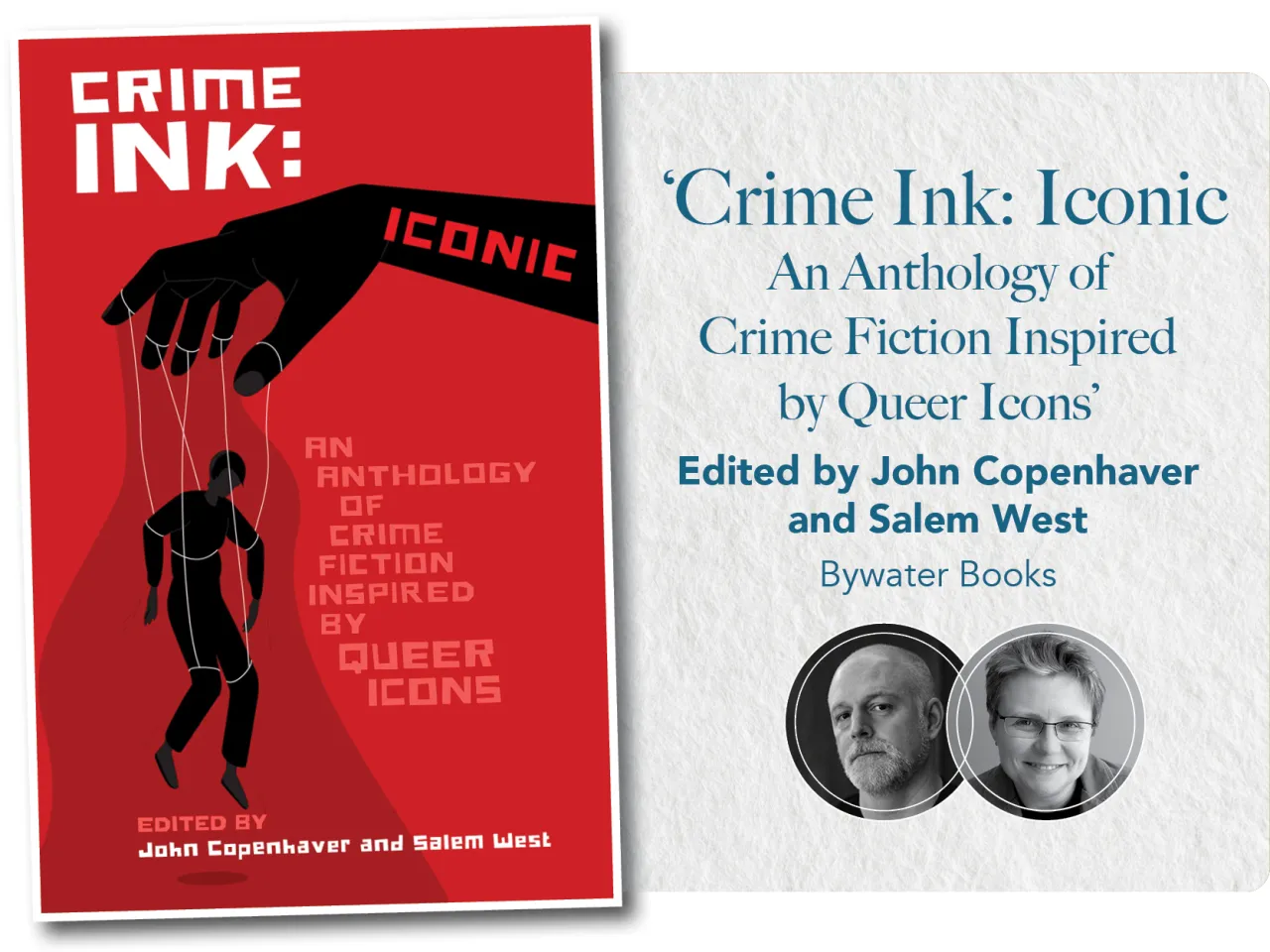
Author Copenhaver and publisher West tapped 26 authors to deliver stories about LGBTQ+ life, community and concerns using queer icons as inspiration in “Crime Ink: Iconic.” Brief essays from each contributor about who inspired their short story as well as brief biographies of the authors are featured.
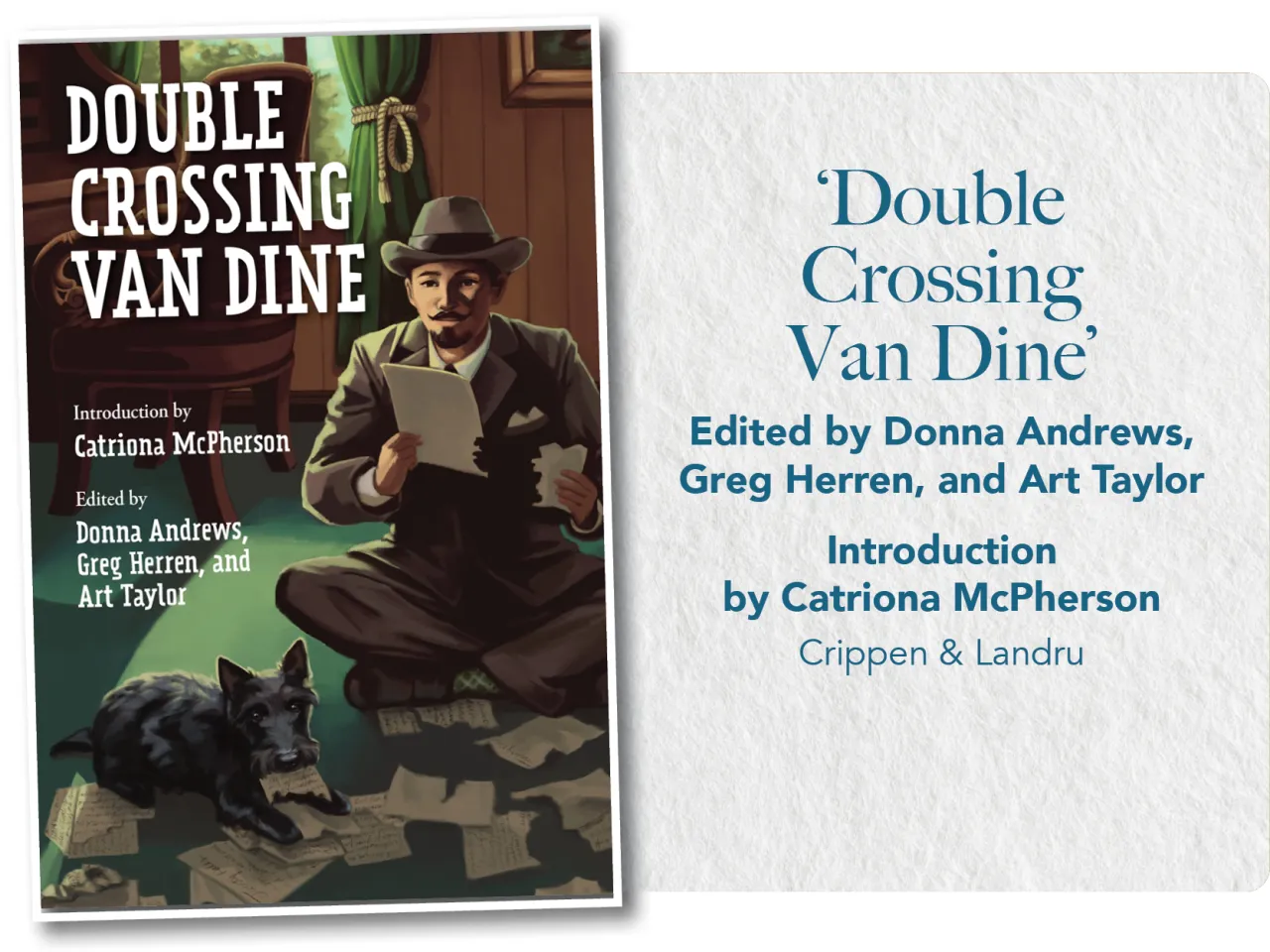
Art critic, literary editor, biographer and author S.S. Van Dine devised “Twenty Rules for Writing Detective Fiction” during the early 20th Century that did more to hamper than enhance the genre. Frankly, those rules made no sense then and even less now. The 20 authors in the smart “Double Crossing Van Dine” don’t just ignore those rules but “break them like kindling,” as McPherson writes. Today, Van Dine may be recognized only by those steeped in the history of mystery fiction. But the authors in this anthology are making an impact.
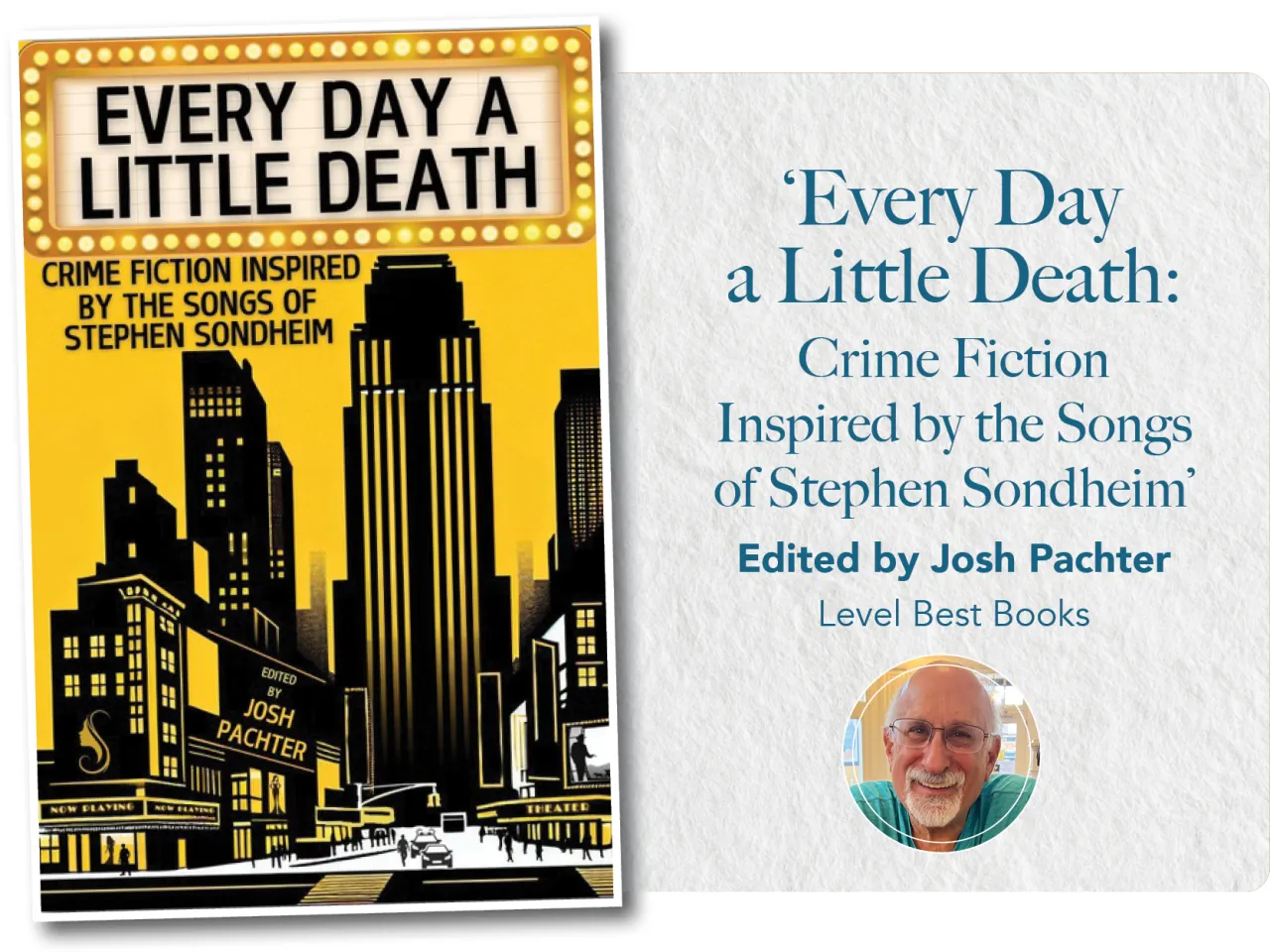
The story songs by the late Stephen Sondheim, arguably the greatest composer of musical theater who ever lived, are the perfect fodder for this collection.
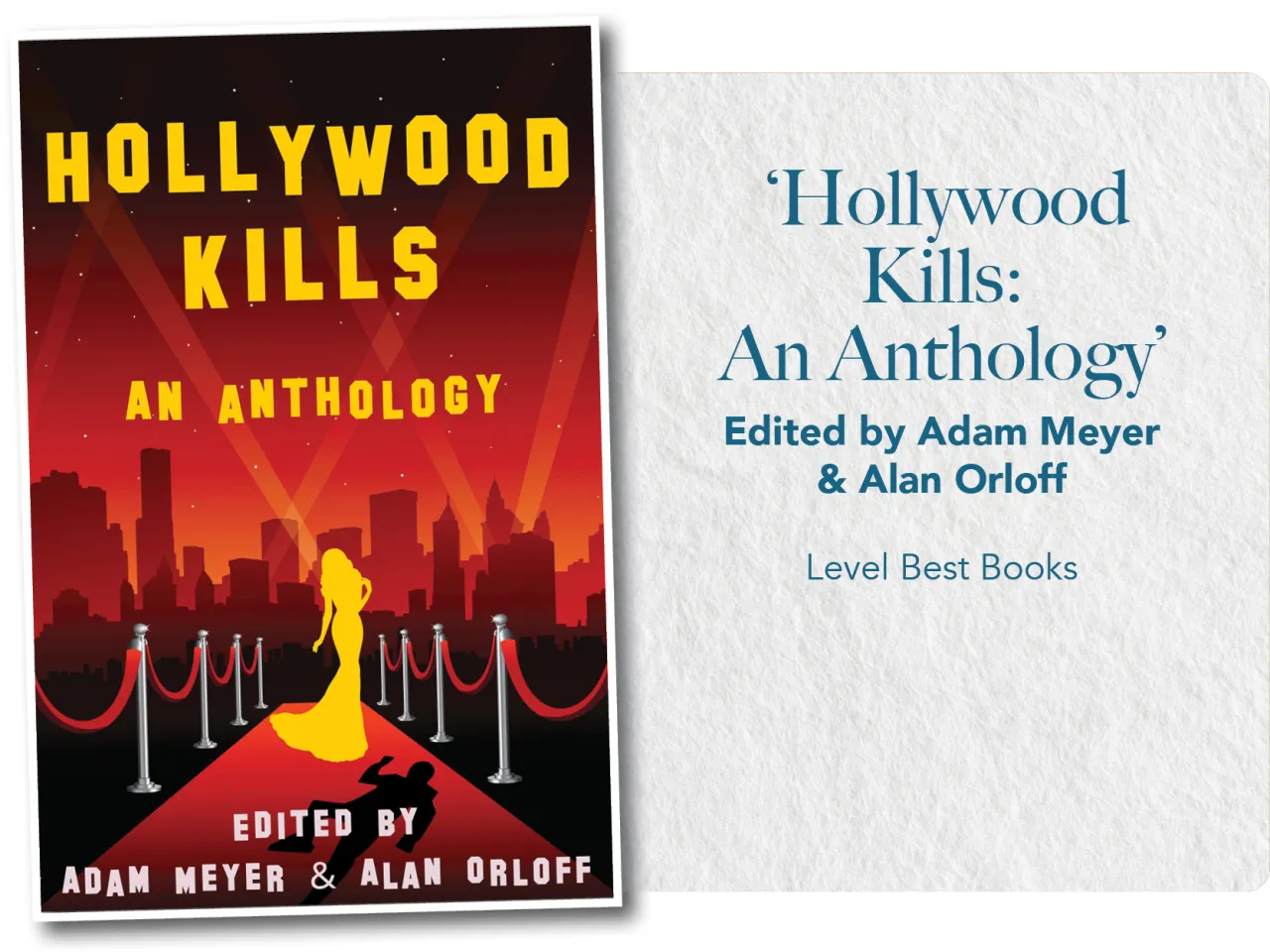
Each author in this collection has worked in the entertainment business in some aspect — as a performer, a producer, a writer, even catering. Each contributor’s proceeds are being donated to the California Community Foundations Wildfire Recovery Fund. The editors included a mixture of styles, from the hard-boiled to the cozy. Many stories feature well-known landmarks and favorite sites such as Larry Edmunds’ bookstore.
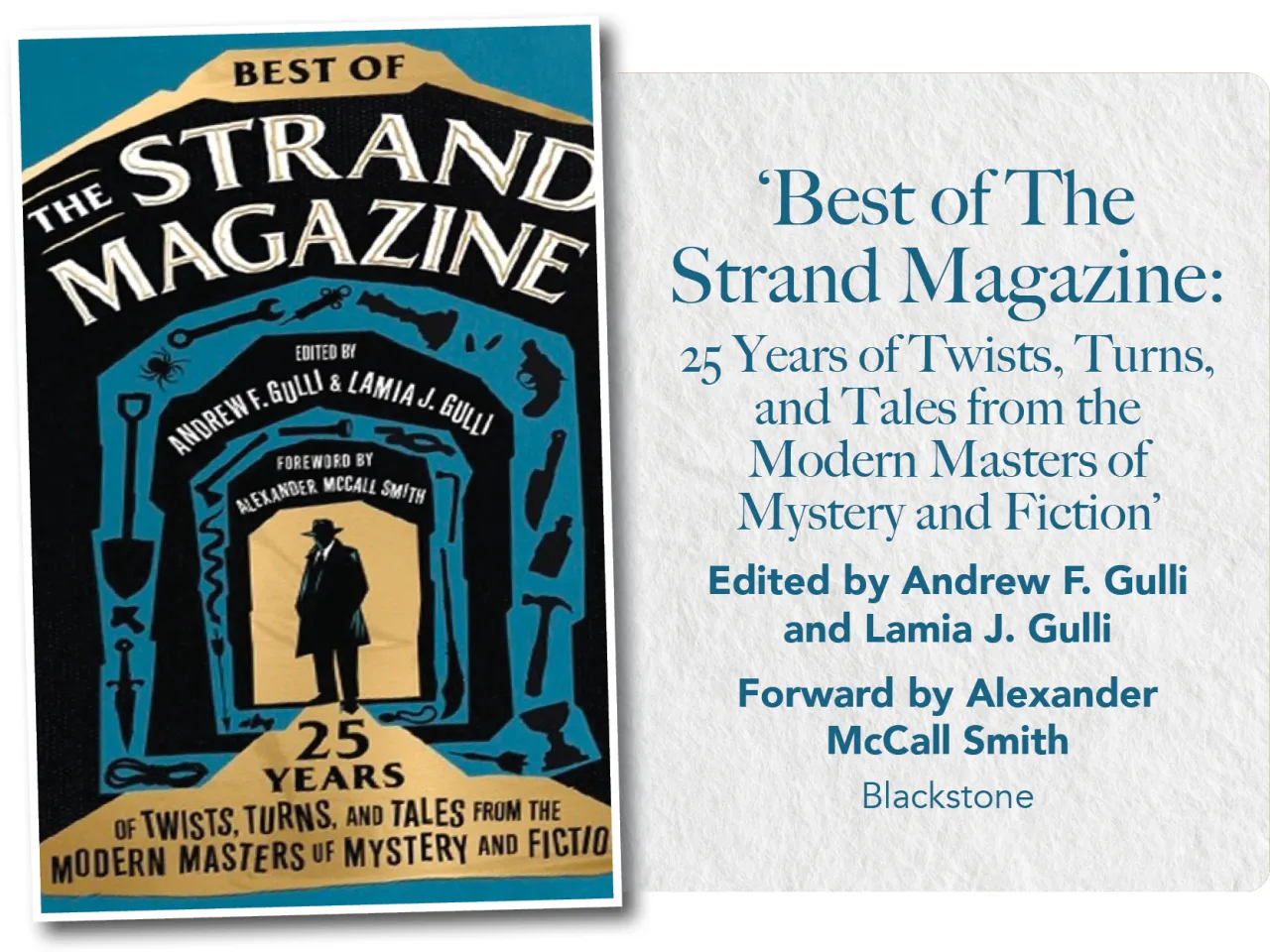
The prestigious “Strand” magazine dates to 1891 — it was the first place readers heard of Sherlock Holmes as Sir Arthur Conan Doyle’s “The Hound of the Baskervilles” appeared here. This anniversary book shows the breadth of short stories the magazine has published during the last 25 years under the Gullis, a brother and sister team. Yes, there is a story by Michael Connelly but also Ray Bradbury, Tennessee Williams, Rudyard Kipling and H.G. Wells, among others.
NONFICTION
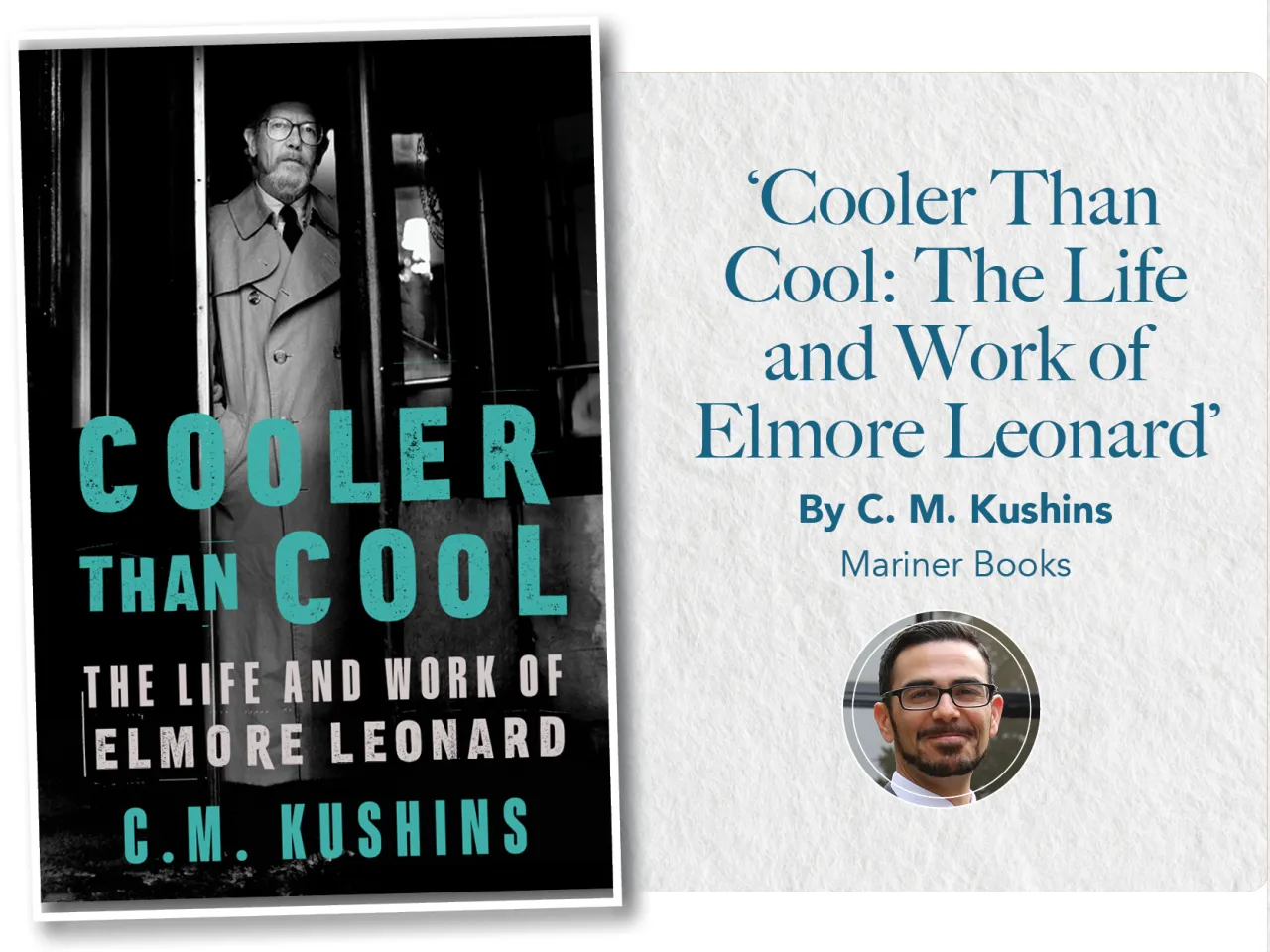
An apt title for this comprehensive biography of the late Elmore Leonard, the master of American crime fiction who definitely is and was one of the coolest authors ever. A Mystery Writers of America Grand Master, Leonard’s entertaining plots were punctuated by punchy, tightly coiled prose filled with wit and grit. Many of Leonard’s novels landed on best-sellers lists and remain timeless. “Get Shorty,” “Jackie Brown” and “Justified” are just a few of the films and TV series launched from his books. Just remember his advice to writers: Never start a book with weather.